What Is Capsulitis of the Second Toe?
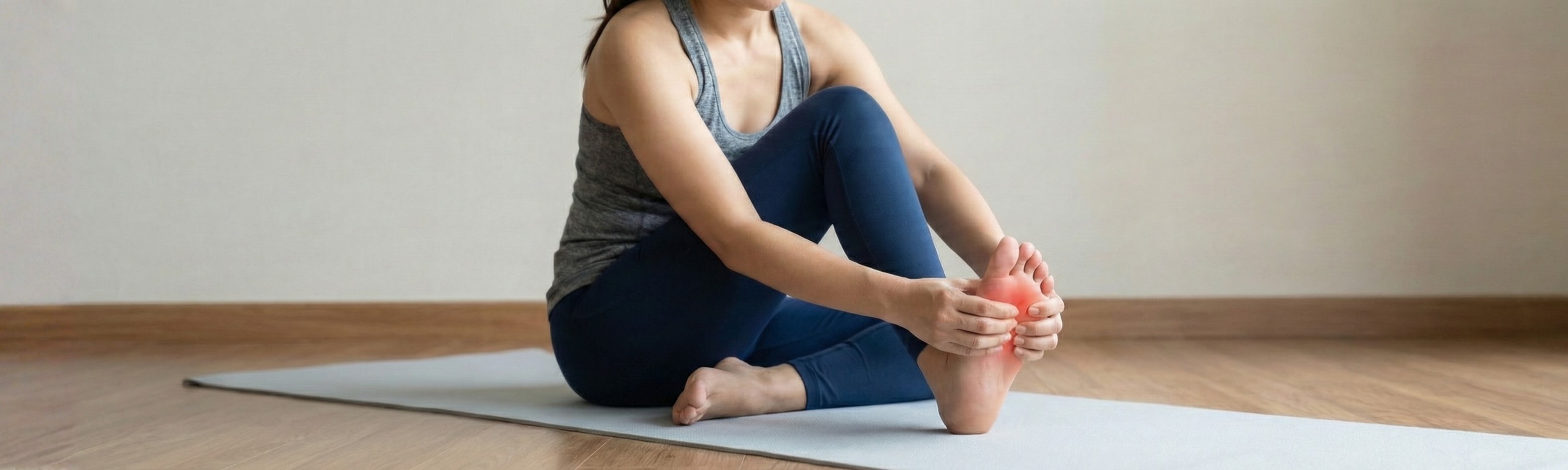
Capsulitis of the second toe is one of the most common causes of pain in the ball of the foot. It occurs when the capsule at the base of the second toe becomes irritated and inflamed, often leading to sharp, burning, or bruised pain under the joint.
This condition is frequently misdiagnosed and many people spend months treating the wrong problem. Understanding what capsulitis is, and what causes it, is the first step toward lasting relief.
Jump to Section
What Is Capsulitis of the Second Toe?
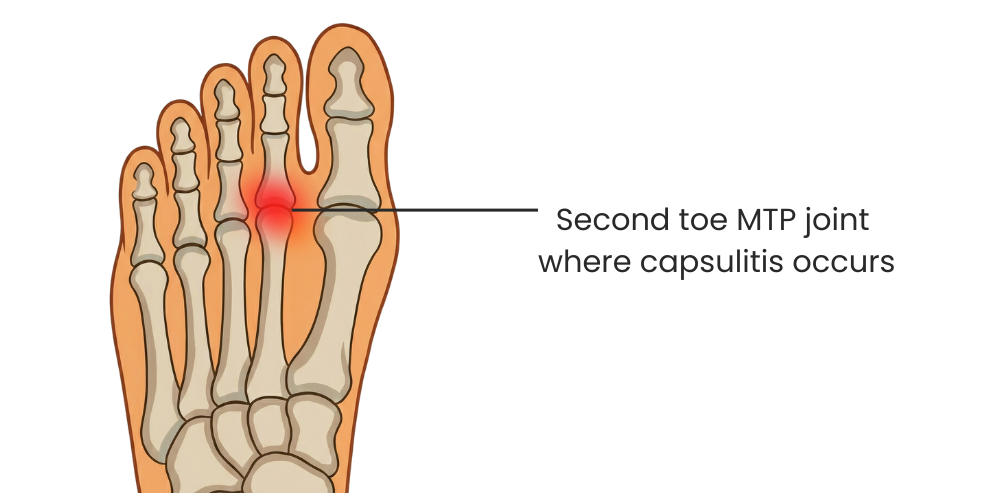
Each toe joint in your foot is surrounded by a stabilising "capsule". Think of it like a container around the joint. A tough, fibrous structure that keeps the joint protected, aligned and helps absorb pressure when you walk. Capsulitis occurs when this capsule becomes inflamed.
The second metatarsophalangeal joint (2nd MTP joint) is the most commonly affected, because it often bears more load than it is designed to.
Capsulitis can be difficult to get rid of. Without proper offloading and correction, capsulitis can worsen over time and eventually lead to toe drifting or crossover toe, where the second toe starts moving toward, or over, the big toe.
Symptoms of Second Toe Capsulitis
Common symptoms include:
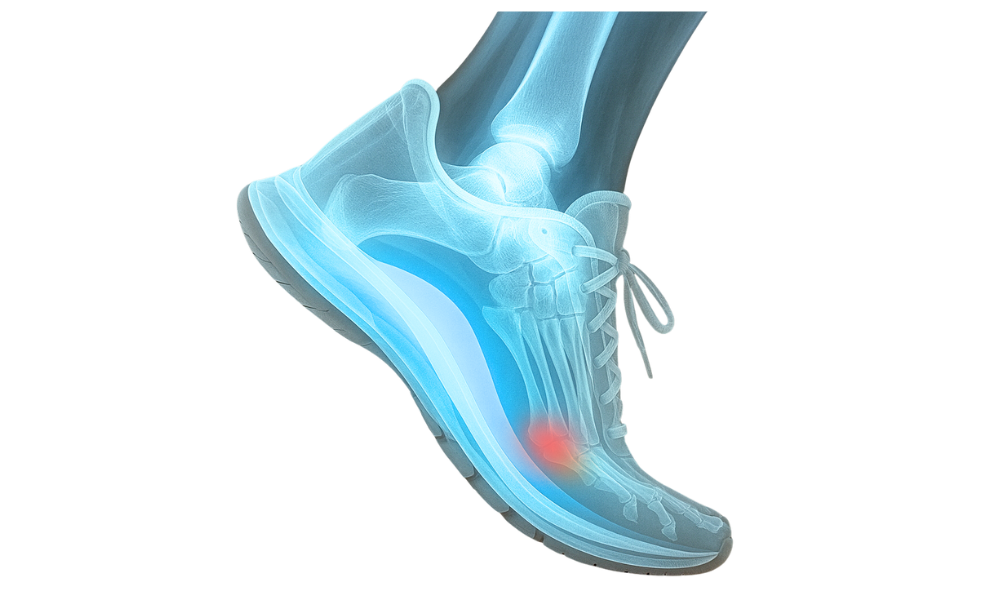
- Aching, or burning pain under the second toe joint
- A sensation of walking on a pebble
- Swelling or tenderness at the base of the second toe
- Pain that worsens barefoot or in unsupportive shoes
- Stiffness, difficulty or pain when bending the toe
- Toe beginning to lift, drift, or cross over neighbouring toes (in advanced cases)
Many people notice the pain most when pushing off during walking or running which is worse when walking uphill due to increased pressure on the second toe joint.
What Causes Capsulitis of the Second Toe?
Capsulitis is almost always caused by a mechanical overload of the second MTP joint, but this can be triggered by an acute injury. Common contributing factors include:
1. Abnormal Foot Mechanics
Certain foot types place extra pressure on the second toe joint, such as:
- Long second toe (Morton's toe)
- Flat feet or overpronation
- High arches with poor shock absorption
- Restricted big toe movement (hallux limitus)
2. Excessive Forefoot Loading
Anything that causes early heel lift or increases pressure on the ball of the foot can overload the joint capsule. This is common in:
- Runners and athletes
- People who stand for long periods
- Those with tight calves or limited ankle mobility
3. Footwear Choices
Shoes that increase forefoot pressure significantly raise the risk of capsulitis:
- High heels
- Flexible, thin-soled shoes
- Narrow toe boxes
- Minimalist trainers without arch or forefoot support
4. Progressive Degeneration
As the capsule becomes weaker or chronically irritated, small tears may develop, leading to instability of the toe joint and increased pain.
How Is Capsulitis Diagnosed?
Diagnosis typically involves a clinical assessment by a foot specialist. Tests may include:
- Pressing the base of the toe to reproduce pain
- Toe stability testing to assess ligament integrity
- Gait analysis or evaluation of foot mechanics
- X-rays to rule out stress fractures or arthritis
- Ultrasound or MRI if the diagnosis is unclear
Early diagnosis is key. Once the toe begins to drift or cross over, the condition becomes much harder to correct without surgery.
Treatment Options for Second Toe Capsulitis
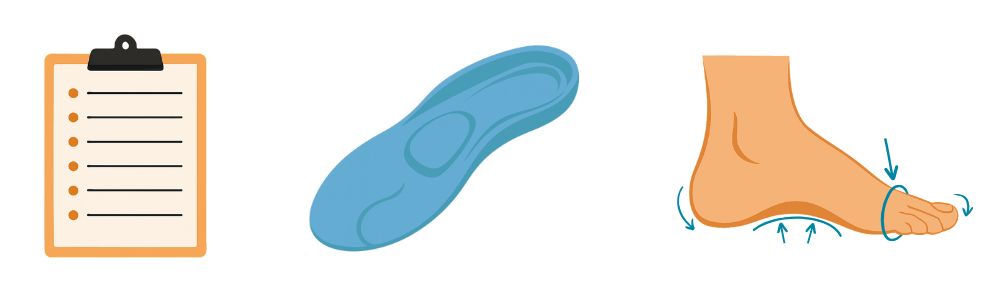
Treatment focuses on reducing inflammation, offloading the joint, and correcting the underlying mechanics causing the overload.
1. Offloading the Joint (Most Important Step)
Reducing pressure on the second MTP joint is essential for healing. This may include:
- Custom or targeted insoles with a metatarsal dome to shift weight away from the joint
- Support for the arch to prevent excessive pronation
- Insole with a deep heel cup to reduce heel lift and shift weight backwards
- Taping the toe down to limit extension
2. Footwear Modifications
- Wider toe boxes
- Avoiding high heels or shoes with a large heel stack
- Shoes with stiffer soles that reduce forefoot bend
3. Anti-Inflammatory Approaches
- Ice and rest during flare-ups
- NSAIDs (if recommended by a medical professional)
- Taping to stabilise the toe joint
4. Correcting Foot Mechanics
Addressing the root cause is crucial to preventing recurrence. Mechanical correction often includes:
- Calf stretching for better ankle mobility
- Strengthening of the intrinsic foot muscles
- Exercises to restore big toe stability during push-off
5. When Surgery Is Considered
Surgery is only recommended when the joint has become unstable or the toe has drifted significantly. Most early-stage capsulitis cases respond extremely well to conservative treatment.
How ForefootFix Helps With Second Toe Capsulitis
ForefootFix Insoles are engineered to offload the exact joint affected in capsulitis, providing instant relief. Our 21-Day Foot Mechanics Reset retrains how your foot loads, so the pain doesn't return.
1. Personalised Assessment
Our 60-second assessment identifies your forefoot pain pattern and recommends the precise insole design needed to offload the second MTP joint and a custom 21-day mechanics reset to retrain your foot to load correctly.
2. Immediate Relief + Long-Term Correction
With targeted insoles plus our 21-Day Mechanics Reset, most people feel meaningful improvement within 3–7 days.
Start Your Recovery Today
Capsulitis of the second toe won't improve if the underlying pressure on the joint remains unchanged. The sooner you identify the cause and begin offloading the joint, the faster you'll recover.
Ready to find out whether capsulitis is causing your pain? Take our 60-second foot pain assessment to get personalised recommendations and start your journey to pain-free walking.